Playing From Public Spaces: Screen and Network Safety Basics
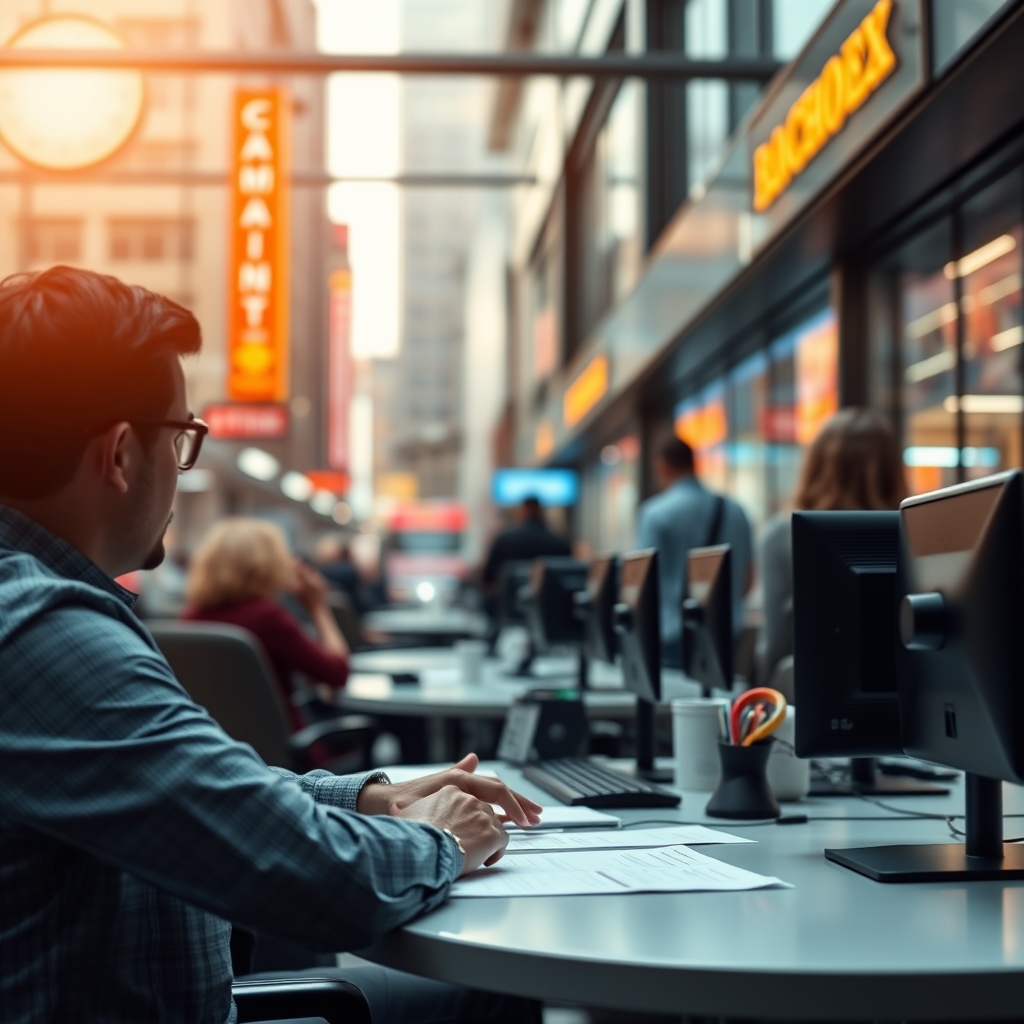
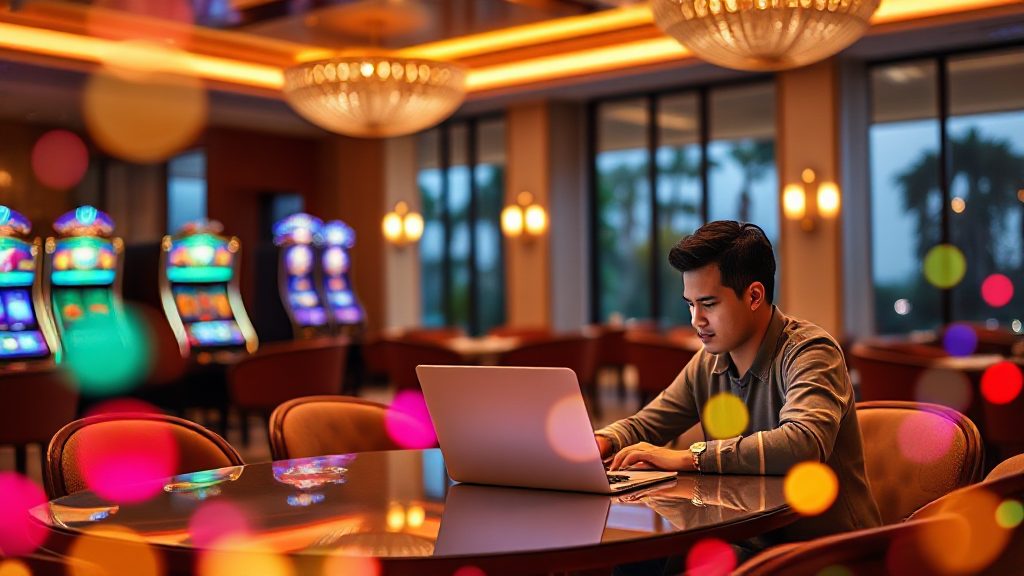
You open your laptop in a busy cafe, connect to the free Wi-Fi, and load your favorite slot777 account to spin a few rounds between meetings. The coffee is good, the vibe is relaxed, and the connection is fast. But in that moment, the biggest risk to your account is not the network itself—it is the person sitting two tables away who can see your screen, or the stranger who offers to help you log in.
Public spaces are great for remote work and travel, but they demand a different level of awareness when you are accessing any account that holds personal or financial details. This guide covers the practical basics: protecting your screen from wandering eyes, choosing safer networks, and keeping your login credentials out of sight and out of reach.
Why Public Spaces Change the Threat Model
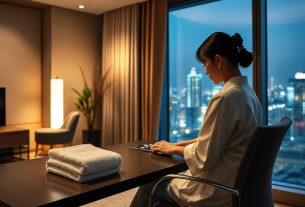
At home, you control who walks behind you and which devices connect to your router. In a cafe, co-working space, airport lounge, or hotel lobby, that control disappears. The threat model shifts from remote hackers to nearby observers and opportunistic thieves. A shoulder surfer can memorize a password or PIN in seconds, and a stolen device left unattended for a moment can expose saved sessions.
Most people focus on network security, but visual privacy is often the weakest link in public settings. A person can read your screen from several meters away if the angle is right, and they do not need any technical skill to do it. Combine that with a shared network and you have two separate risks that require two separate habits.
Screen Privacy: Keeping Your Session Out of View
Your screen is the most exposed part of your setup. Before you log in to any account, including a slot777 session, take a moment to assess who can see your display. Sit with your back to a wall or corner when possible, and avoid seats near high-traffic walkways or entrances.
Use a Privacy Filter or Adjust Your Screen Angle
A privacy filter is a thin film that narrows the viewing angle of your laptop or phone screen. Anyone standing to the side sees a dark or blurred image, while you see the content clearly. If you do not have a filter, lower your screen brightness and tilt the display slightly away from nearby people. On phones, keep the screen close and avoid holding it at arm’s length in crowded areas.
Hide Sensitive Fields and Avoid Autofill in Public
Password managers and browser autofill can expose your credentials with a single accidental click. In public, disable autofill for banking and gaming accounts, or use a separate browser profile that does not store sensitive logins. When typing a password, cup your hand over the keyboard or use a privacy screen guard. Better yet, use a passphrase you can type quickly without looking down.
Never leave your device unlocked and unattended, even for a quick trip to the counter. Set your screen to lock after one or two minutes of inactivity, and get in the habit of locking it manually with a keyboard shortcut before you stand up.
Network Safety: Choosing and Using Public Connections
Free Wi-Fi is convenient, but not all networks are what they appear to be. A common trick is the “evil twin” hotspot—a network with a name similar to the legitimate one, set up by someone nearby to capture your traffic. Before you connect, confirm the exact network name with staff and check whether a password is required.
Prefer Your Own Connection When Possible
Your mobile data plan is almost always safer than an unknown public network. Tethering from your phone creates a private connection that others cannot join. If you must use public Wi-Fi, avoid logging in to any account that involves money or personal identity until you are on a trusted connection. For casual browsing or reading, the risk is lower; for account access, treat public Wi-Fi as hostile.
Use a VPN and HTTPS Everywhere
A reputable VPN encrypts your traffic between your device and the VPN server, which prevents others on the same network from reading your data. Look for the padlock icon and “https” in the address bar before entering any information. If a site does not use HTTPS, do not log in—no exceptions. Keep your operating system and browser updated, because security patches often fix flaws that public-network attackers exploit.
Turn off file sharing and AirDrop or Nearby Share in public. These features are useful at home but can broadcast your device to strangers. Also disable “automatically connect to open Wi-Fi” in your settings so your phone does not join unknown networks without your knowledge.
Account Hygiene: Protecting Credentials and Sessions
Good account hygiene reduces the damage if someone does see or guess your login. Start with a unique, strong password for every important account, and use a password manager to generate and store them. Enable two-factor authentication (2FA) wherever it is offered. A code from an authenticator app or a hardware key means a stolen password alone is not enough to access your account.
Log Out Completely and Clear Sessions
Closing a browser tab does not always end your session. Always use the logout button on the site, then clear your browser cache and cookies if you are on a shared or borrowed device. On your own laptop, consider using a private browsing window for sensitive logins so that session data is not saved after you close the window.
Watch for Shoulder Surfers and Social Engineering
Be wary of strangers who offer to help you connect or who stand unusually close. Legitimate staff will not ask for your password or 2FA code. If someone is watching you type, stop and wait, or move to a different seat. When you finish, lock your device before putting it in your bag, and keep your bag within sight and reach.
Review your account activity regularly. Most platforms, including online gaming accounts, show recent login history. If you notice a login from an unfamiliar location or device, change your password immediately and revoke active sessions. This is especially important after using public networks or shared computers.
A Quick Checklist for Your Next Public Session
Before you open any account in a cafe, co-working space, or airport, run through this short checklist. It takes less than a minute and covers the most common mistakes.
- Choose your seat carefully: back to a wall, screen angled away from passersby.
- Enable a privacy filter or lower brightness on your laptop or phone.
- Confirm the Wi-Fi network name with staff; avoid open networks without a password.
- Use mobile data or a VPN for any login that involves money or personal details.
- Disable autofill and file sharing before you connect.
- Log out completely when finished, and clear cookies on shared devices.
- Lock your screen whenever you step away, even for a moment.
Public spaces are part of modern work and travel, and you do not need to avoid them. You just need to treat your screen and your network as visible and shared. With a few consistent habits, you can enjoy your session—whether you are checking email or playing a few rounds on slot777—without handing your account details to the person at the next table.