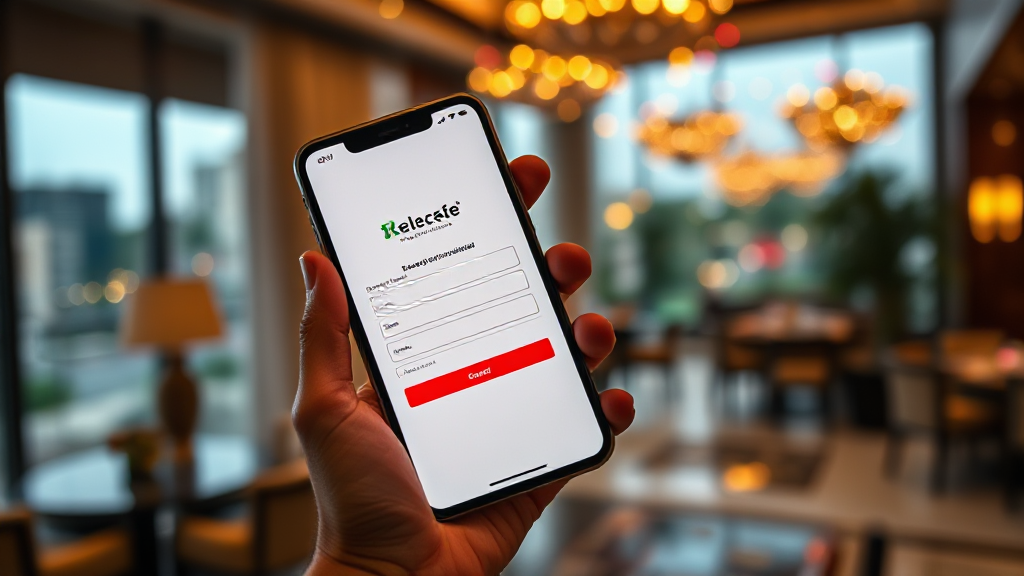
Is TK999 Registration the Same for Everyone, or Does It Vary?
Short answer: the core registration process on tk999 is the same for every new user, but the details around it change depending on your phone, your network and how you prefer to verify yourself. The steps do not change; the experience around them does. That is the part most people miss when they ask in the community threads, and it is the reason two users can follow the same instructions and still describe two different sign-up stories.
I moderate a fair number of Bangladeshi gaming communities, and the same question comes back every week in slightly different wording. Someone says the process was instant. Someone else says it took three tries. Both are telling the truth. What differs is not the platform’s rules but the conditions each person brought to the sign-up screen.
What actually happens when a new user signs up
Picture a typical first-timer in Dhaka. They have heard about tk999 from a friend, they open the site on a mid-range Android phone, and they tap the registration button. From that moment, the flow is predictable: choose a username, set a password, confirm a phone number, and accept the terms. Nothing exotic. The variations start creeping in immediately after.
If the phone is on a stable Wi-Fi connection, the confirmation message arrives in seconds. If the phone is on mobile data during peak hours, that same message can take a minute or two. New users often interpret the delay as a failure and tap the button again. That double submission is the single most common cause of the confused messages I see in group chats. The registration did not break. The user simply did not wait long enough for the first attempt to finish.
A second common variation is the device itself. Someone registering on a laptop browser sees a wider layout with more visible fields at once. Someone registering through the downloadable app sees a condensed form that scrolls. The information requested is identical, but the visual experience is different enough that people assume the requirements are different. They are not. The platform is asking for the same things; it is just presenting them in a layout that fits the screen.
This is also where the brand’s reputation matters more than any single feature. Users who have watched a friend use tk999 for months tend to approach the sign-up with more patience, and patience is genuinely the variable that decides whether the process feels smooth or frustrating. The technical steps are fixed. The human approach is not.
One more detail that trips people up: the username. New users treat it like a throwaway field and then discover later that it is how friends find them in the community. Choosing something memorable at the start saves a lot of back-and-forth later. It is a small decision with an outsized effect on how the account feels six months down the line.
How the experience changes for different users
Now consider the variations, because this is where the community questions really live.
The user on an older phone. A device with limited storage and an older operating system will handle the app registration differently from a current handset. The form still works, but animations may lag and the confirmation screen may take longer to appear. The fix is not to reinstall repeatedly. It is to close background apps, free up a little storage, and let the process finish at its own pace. Users who do this report a smooth first attempt almost every time.
The user who prefers the browser. Not everyone wants to install anything, and that is fine. Registering through a mobile browser is a legitimate path and produces the same account. The trade-off is convenience versus persistence. A browser session can be cleared accidentally; an installed app stays put. Users who register in a browser and then wonder why they have to log in again are usually just experiencing normal browser behaviour, not an account problem.
The user with a shared phone. This is common in households where one handset serves several people. Registration is straightforward, but the account security habits around it need more care. Logging out properly, avoiding saved passwords on a shared device, and keeping the confirmation number private all matter more here. The platform’s process does not change; the user’s responsibility does.
The user who registered once before and forgot. This is the quiet majority. They try to register again with the same phone number, get a message that the number is already in use, and assume something is broken. It is not broken. It is working exactly as intended. The right move is to recover the existing account rather than create a duplicate, because duplicate attempts are what generate most of the support messages I see.
The user who wants to verify everything first. Some people will not sign up until they have read every page, checked the payment options and watched a few videos. That is a reasonable instinct. The registration itself takes minutes; the research takes longer. Users in this group rarely have problems, because by the time they register they already know what to expect at each screen.
Across all these variations, the underlying truth holds: the registration requirements are consistent, and the differences come from device, network, and personal habits. Once a user understands that, the process stops feeling unpredictable. It becomes a short checklist instead of a mystery.
For anyone who wants to see the actual flow rather than read about it, the platform’s own pages show the current form and the app download options directly, which removes a lot of the guesswork that fuels community rumours.
What I tell people in the threads is simple. Register once, carefully, on a stable connection, with a username you will still like next year. If the confirmation is slow, wait. If the number is already registered, recover instead of duplicating. If you prefer the app, install it; if you prefer the browser, use it. The rules do not bend for one user and tighten for another. Only the circumstances around the sign-up change, and those are almost entirely in your own hands.
That is the background that makes the rest of the conversation make sense. Once new members understand that registration is uniform and experience is variable, the repeated questions in the community largely answer themselves, and the discussion moves on to the things that actually deserve attention.